
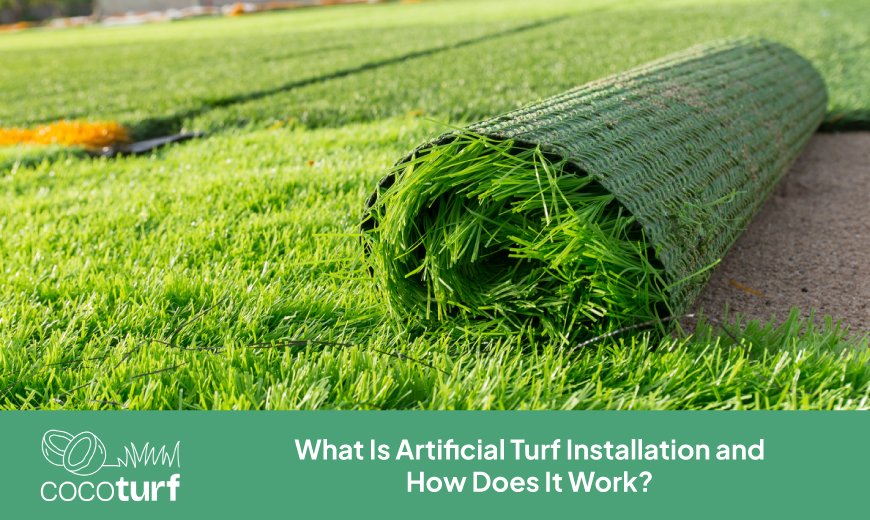
Replacing natural grass with a synthetic landscape surface has become a practical option for many property owners seeking consistent appearance and reduced lawn maintenance. Artificial turf installation is the process of replacing natural grass with a synthetic surface designed to mimic the appearance and function of real lawn while reducing water consumption and long-term maintenance. The system is constructed using several structural layers that support drainage, durability, and surface stability. Modern turf products are engineered to perform well in high-sun environments while maintaining a consistent appearance throughout the year.
The installation process involves preparing the ground, constructing a stable base, placing the turf material, and applying infill that supports the turf fibers. Each stage of installation plays a role in how the finished surface performs over time. Understanding the process helps property owners evaluate how artificial turf systems work and what contributes to long-term durability.
Understanding Artificial Turf Systems
Artificial turf systems are made up of multiple layers designed to create a stable surface that resembles natural grass. While the visible turf fibers provide the appearance of a lawn, the performance of the system depends largely on the materials installed beneath the surface.
Key components of artificial turf systems include:
- Synthetic turf fibers designed to replicate natural grass blades
- A durable backing layer that secures the fibers in place
- A compacted aggregate base that stabilizes the surface
- Drainage pathways that allow water to move through the turf
- Infill materials that support blade structure and surface performance
These components work together to create a surface capable of handling weather exposure and regular use. Each layer contributes to drainage, durability, and the overall lifespan of the installation.
How Artificial Turf Installation Works
Artificial turf installation involves a series of structured steps designed to create a stable and long-lasting surface. Each stage of the process helps ensure the turf performs properly under changing weather conditions and regular foot traffic.
The installation process typically includes:
- Removal of existing grass, soil, and debris
- Ground leveling and grading for proper drainage
- Construction of a compacted base layer
- Installation of a weed barrier
- Placement and trimming of the turf rolls
- Seaming and securing the turf sections
- Application and distribution of infill materials
Following these steps ensures the turf remains stable and visually consistent across the installation area. Proper installation also helps prevent uneven surfaces, drainage issues, or premature wear.
Why Ground Preparation Is Critical
Ground preparation is one of the most important steps in artificial turf installation. The stability and drainage performance of the finished surface depend heavily on the base layer constructed during installation.
A properly prepared base helps achieve several important outcomes:
- Maintains a level and stable surface
- Allows water to drain through the turf system
- Prevents shifting or settling over time
- Supports the structure of the turf backing
Without proper base preparation, even high-quality turf materials may not perform as intended. This is why experienced installers focus heavily on soil grading and base compaction before placing the turf.
Modern Turf Materials and Performance
Artificial turf technology has evolved significantly over the past decade. Newer systems are designed to improve durability, surface comfort, and overall performance in outdoor environments.
Modern turf products may incorporate:
- Advanced fiber designs that maintain blade shape
- Materials engineered to withstand heavy use
- Improved backing systems that enhance durability
- Natural elements incorporated into the turf composition
These innovations help artificial turf perform more effectively in warm climates where sun exposure and heat can affect surface conditions. Material selection plays an important role in how turf performs over the long term.
Choosing Artificial Turf Installation Services
Installing artificial turf requires careful planning and technical expertise. Professional artificial turf installation services evaluate the property layout, soil conditions, and drainage patterns before beginning the project.
Professional installers typically focus on:
- Preparing the installation site for long-term stability
- Ensuring proper drainage throughout the landscape area
- Aligning seams and edges for a natural appearance
- Selecting turf materials suited to the environment
In regions where artificial turf installation in Los Angeles is common due to water conservation needs, careful installation planning helps ensure reliable long-term performance.
Frequently Asked Questions
How long does artificial turf installation take?
Most residential installations can be completed within one to three days depending on the size of the area and the amount of ground preparation required. Larger landscapes or properties requiring additional grading may take longer to complete.
Does artificial turf require maintenance?
Artificial turf requires far less maintenance than natural grass. Occasional brushing, debris removal, and rinsing help maintain the appearance of the surface while keeping the turf fibers upright and clean.
Does artificial turf get hot in the sun?
Traditional synthetic turf surfaces can retain heat under direct sunlight. Premium turf systems like Cocoturf are designed with improved materials and natural components such as coco coir that help the surface stay cooler compared to many standard plastic turf products.
How long does artificial turf typically last?
High-quality artificial turf systems can last 15 to 20 years depending on installation quality, material construction, and the amount of use the surface receives. Premium turf products are engineered with durable backing and fiber technology designed for long-term performance.
Is artificial turf environmentally responsible?
Artificial turf helps reduce water consumption by eliminating the need for irrigation while also reducing the need for fertilizers and pesticides used to maintain natural grass. Many modern systems are designed to support sustainable landscaping practices while maintaining a consistent lawn appearance.
Summary
Artificial turf installation involves a series of steps that create a stable and durable landscape surface. Ground preparation, base construction, turf placement, and infill application all contribute to the performance of the finished system. When installed properly, artificial turf provides a long-lasting landscaping solution that reduces water use and maintenance while maintaining a consistent appearance.
Discover the Difference Premium Artificial Turf Can Make
Transform your outdoor space with a cleaner appearance, reduced maintenance, and long-term performance. Cocoturf advanced turf systems offer a modern landscaping solution designed for durability, comfort, and lasting visual appeal. Contact us at (310) 957-1900.