CocoTurf

If your artificial grass has been affected by debris, ashes, or fire retardant, our specialized cleanup service is here to help - take advantage of 20% off and reclaim your outdoor space today - contact us now!

CocoTurf Supports LA Fire Recovery Efforts Through Community Outreach & Rebuilding Initiatives If your artificial grass has been affected by debris, ashes, or fire retardant, our specialized cleanup service is here to help – take advantage of 20% off and reclaim your outdoor space today – contact us now!

Putting Green

Blog, Putting Green

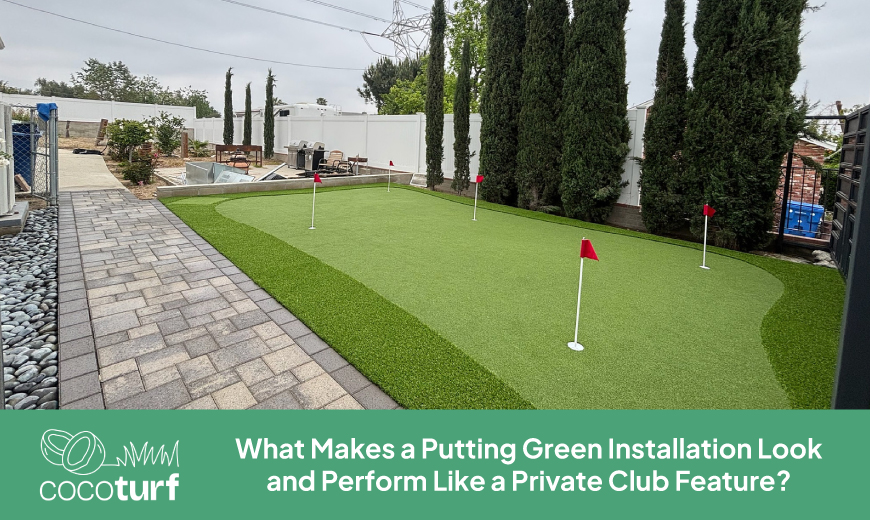
What Makes a Putting Green Installation Look and Perform Like a Private Club Feature?

A well-designed putting green installation in Los Angeles combines careful planning, specialized turf, precise base construction, and realistic contours. The finished surface should provide consistent ball movement while fitting naturally into the surrounding landscape. Achieving the appearance and performance associated with a private club requires much more than placing turf over a cleared section of yard. An artificial putting green should be designed around the golfer, the property, and the type of practice the owner wants. Available space, desired green speed, cup placement, slopes, drainage, fringe areas, and expected use all influence the design. Professional planning turns these individual elements into a unified practice area that is attractive, functional, and enjoyable throughout the year. Putting Green Installation in Los Angeles for Club-Level Performance Properties differ in size, grading, sun exposure, access, and surrounding landscaping. A professional putting green installer evaluates these conditions before recommending turf products or creating a layout. This early planning helps determine what can be built within the available space and how the green can deliver a realistic practice experience. Homeowners searching for putting green installation near me should look beyond square-foot pricing. Product quality, drainage, base preparation, contouring, seam placement, and finishing methods all influence the final result. Planning a Putting Green Around Your Available Space The design process begins by measuring the yard and discussing the golfer’s goals. A compact space may work well for focused putting practice, while a larger property may accommodate longer putts, fringe areas, chipping zones, and multiple targets. Installers also study elevation changes, property boundaries, walkways, trees, drainage routes, and existing landscaping. A custom putting green installation should use the space efficiently without making the feature appear crowded or disconnected from the rest of the yard. Selecting Turf That Replicates Professional Golf Greens Putting turf differs from standard landscape turf. Fiber density, pile height, surface texture, backing, and infill influence green speed, responsiveness, and ball roll. The ideal product depends on whether the owner wants recreational play, serious practice, or a balance between the two. Color and fiber construction also affect appearance. Realistic turf should complement nearby landscaping while providing the smooth, closely cut surface associated with a maintained golf green. Samples allow owners to compare appearance, feel, and anticipated performance before making a selection. Why Proper Base Construction Affects Ball Roll The base determines whether the surface remains stable and consistent. Installation generally requires excavation, grading, drainage planning, placement of base materials, and thorough compaction. Each layer must be shaped and prepared accurately before turf is installed. An uneven or poorly compacted base can cause dips, movement, inconsistent speed, and drainage problems. Precision at this stage supports a predictable roll and helps the green retain its contours over time. Custom Features That Elevate a Backyard Putting Green A backyard putting green can include multiple cup locations, a surrounding fringe, chipping areas, bunkers, rough sections, and different approach angles. These elements make practice more varied and allow golfers to work on more than straight putts from one position. Custom features should support the owner’s skill level and available space. Well-placed cups and contours create several practice routes without requiring an oversized green. Landscape borders, stonework, lighting, and seating can integrate the feature into the larger outdoor setting. Creating Realistic Slopes and Breaks Private club greens rarely provide completely flat putts. Professional installers shape subtle elevation changes into the compacted base to create breaks, uphill putts, downhill putts, and changing approach lines. The contours must remain playable rather than overly dramatic. A skilled installer balances challenge and consistency so the same green supports both short practice sessions and more advanced skill development. Professional Installation Techniques That Improve Performance Once the base is complete, turf is positioned with close attention to fiber direction and planned ball movement. Installers trim around cups, borders, curves, and landscape features, position seams away from important playing lines, and secure the perimeter carefully. The correct infill is applied evenly before the surface is brushed and tested. Accurate seaming, clean edge finishing, and consistent infill distribution help prevent visible joints, loose areas, and unpredictable ball movement. Artificial Putting Green Comfort and Cooling Options Direct sunlight can increase the temperature of synthetic surfaces. Cooling infill may be considered during project planning for greens with extended sun exposure. T-Cool retains moisture and uses evaporation to help reduce surface heat when moisture is available. CocoTurf can incorporate cooling technology into premium, USA-made turf systems. The suitability of a cooling product depends on the property’s climate, sun exposure, irrigation access, usage, and maintenance expectations. Caring for Your Artificial Golf Green Routine debris removal prevents leaves and dirt from collecting on the playing surface. Occasional brushing helps keep fibers positioned correctly, while rinsing can remove dust and surface residue. Edges, seams, cups, and drainage areas should be inspected periodically. Usage and surrounding landscaping influence the maintenance schedule. Professional care may be helpful when infill needs redistribution, fibers become compacted, or the surface requires a more detailed inspection. Why Homeowners Choose Custom Putting Green Installations A home practice feature allows golfers to work on distance control, alignment, and consistency without traveling to a course. It can also create an engaging entertainment area for family and guests. Professional design allows the green to become part of the overall outdoor environment rather than appearing like an isolated patch of turf. Year-round access, personalized challenges, and added outdoor enjoyment make custom greens attractive to homeowners who play regularly. Frequently Asked Questions About Home Putting Greens How Much Space Is Needed for a Useful Home Putting Green? A productive practice area does not require an extremely large yard. The best dimensions depend on the desired putting distances, number of cups, contouring, fringe, and whether chipping practice will be included. How Long Does T-Cool Last? T-Cool is intended to remain within the turf system as part of its infill layer. Its continuing performance depends on environmental conditions, usage, moisture availability, and maintenance. Homeowners should follow the installer and manufacturer’s care recommendations. Can the Speed of a Home Green
What to Know About Tcool for Backyard Golf Putting Greens
Blog, Putting Green

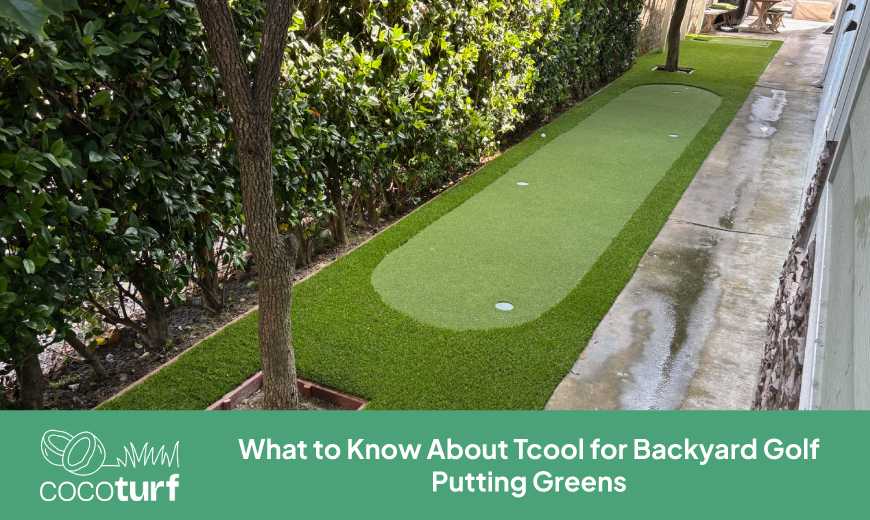
What to Know About Tcool for Backyard Golf Putting Greens

Homeowners investing in putting green installation in Los Angeles often focus on turf quality, green speed, drainage, and overall playability. However, surface temperature has become an increasingly important consideration, particularly in areas that experience prolonged sun exposure. Artificial putting greens can absorb and retain heat throughout the day, creating surfaces that become uncomfortable to use during warmer conditions. This has led many homeowners to explore cooling technologies designed to improve comfort without sacrificing performance. As interest in backyard golf amenities continues to grow, many putting green installation services now discuss cooling infill options as part of the design process. One of the most frequently discussed products is Tcool, an infill technology designed to help reduce artificial turf surface temperatures. Understanding how Tcool works, its benefits, limitations, and long-term performance can help homeowners determine whether it is an appropriate addition to their putting green project. What Is Tcool and Why Is It Gaining Popularity Among Putting Green Owners? Tcool is a turf cooling infill designed to help reduce the surface temperature of artificial grass. The product is engineered to retain moisture and use evaporative cooling principles to help lower heat buildup on synthetic turf surfaces. Interest in Tcool has increased because many homeowners want putting greens that remain more comfortable during warmer weather conditions. As backyard golf installations become more common, comfort and usability have become important considerations alongside performance and appearance. Tcool is commonly discussed for: Backyard Putting Greens Artificial Turf Lawns Recreational Areas Sports Surfaces Residential Landscapes Its primary purpose is to help reduce surface temperatures compared to turf systems that do not utilize cooling infill technologies. How Tcool Infill Works to Reduce Surface Temperature on Artificial Turf Tcool functions by retaining moisture within the infill material. As moisture evaporates, heat energy is dissipated from the turf surface, helping create a cooling effect. The effectiveness of the cooling process depends on several factors, including: Ambient Temperature Sun Exposure Humidity Levels Moisture Availability Wind Conditions Like many evaporative cooling systems, Tcool performs best when adequate moisture is present within the infill. The cooling effect is intended to help reduce peak surface temperatures during periods of intense sunlight. Why Heat Buildup Is a Major Concern for Backyard Putting Greens Artificial turf surfaces can become significantly warmer than surrounding air temperatures when exposed to direct sunlight. Excessive heat may create challenges such as: Reduced Comfort Limited Midday Use Hot Surface Conditions Less Enjoyable Practice Sessions For homeowners investing in premium golf amenities, maintaining usability throughout the day is often a priority. This is one reason cooling technologies continue to receive attention within the artificial turf industry. How Tcool Affects Ball Roll, Speed, and Overall Putting Performance Many golfers are concerned that adding infill products could alter green performance. When properly installed, Tcool is generally intended to work within the turf system without creating significant changes to putting characteristics. However, overall performance can still be influenced by factors such as: Turf Design Fiber Density Base Construction Installation Quality Infill Depth Because every putting green is different, homeowners should discuss performance expectations with their contractor before installation. The goal is to balance cooling benefits with the consistent ball roll required for effective putting practice. Comparing Tcool to Other Infill Options for Golf Putting Surfaces Several infill options are available for artificial turf systems. Common examples include: Silica Sand Acrylic-Coated Sand Organic Infills Cooling Infills Specialty Performance Infills Each option offers different characteristics related to drainage, performance, maintenance, and temperature management. Tcool is primarily selected for its cooling properties, while other infills may be chosen for factors such as stability, weight, or playability. Homeowners should evaluate both performance goals and environmental conditions when comparing available options. How Much Tcool Do You Need and What Does It Cost to Install? The amount of Tcool required depends on factors such as: Green Size Turf Specifications Desired Infill Depth Installation Design Material and installation costs vary from project to project. Homeowners should understand that cooling infills represent an additional investment beyond the standard costs associated with artificial putting greens. However, some property owners view the added comfort and usability as worthwhile long-term benefits. Accurate pricing is typically determined during the project planning process. Is Tcool Right for Your Climate and Backyard Setup? Climate plays an important role in determining whether Tcool may provide meaningful benefits. Factors to consider include: Average Temperatures Sun Exposure Humidity Levels Property Orientation Usage Patterns Homeowners in warmer climates often place greater emphasis on temperature management than those located in milder environments. Evaluating local conditions can help determine whether cooling infill technology aligns with project goals. Putting Green Installation Near Me: Discussing Cooling Options Early Homeowners searching for putting green Installation near me should discuss cooling technologies during the initial design phase. Topics worth reviewing include: Surface Temperature Expectations Infill Recommendations Maintenance Requirements Long-Term Performance Budget Considerations Addressing these factors early helps ensure the putting green is designed around both performance and comfort objectives. How Long Does T Cool Last? One of the most common questions homeowners ask is, “How long does T Cool last?” The lifespan of Tcool depends on several factors, including environmental conditions, maintenance practices, usage levels, and how well moisture is maintained within the system. Unlike turf fibers that may eventually wear over time, the cooling material itself is intended to remain within the turf system as part of the infill layer. Periodic maintenance may be necessary to ensure consistent performance. Homeowners should discuss manufacturer recommendations and maintenance requirements with their installer to better understand long-term expectations. What Homeowners and Golf Enthusiasts Say About Tcool After Installation Homeowners who choose cooling infill systems often cite comfort as one of the primary benefits. Common observations include: Improved Surface Comfort Greater Midday Usability Enhanced Enjoyment of Outdoor Spaces Better Overall Experience During Warm Weather Individual experiences can vary based on climate, maintenance practices, and installation design, but many users view cooling technologies as an enhancement to their artificial putting green investment. FAQs What is Tcool? Tcool is a cooling infill product

How to Choose the Right Contractor for a Realistic Turf Putting Green
Blog, Putting Green

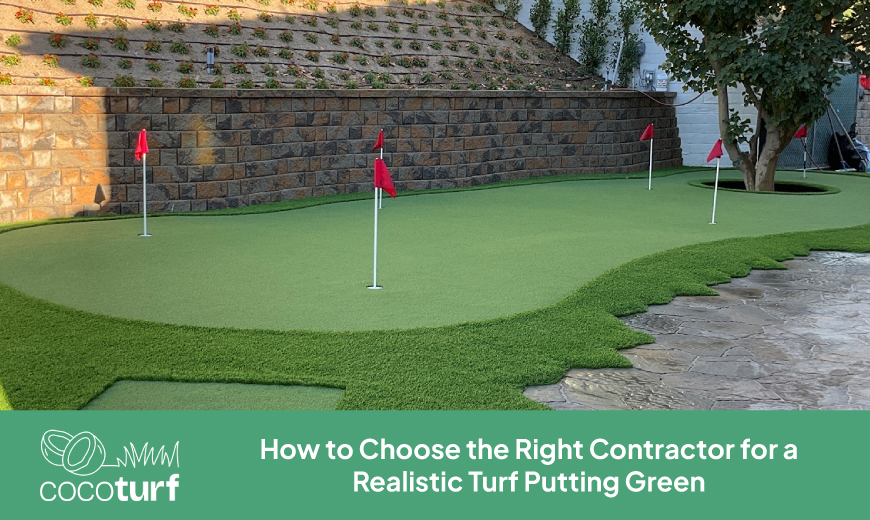
How to Choose the Right Contractor for a Realistic Turf Putting Green

A professionally designed putting green can transform a residential property into a year-round practice space while enhancing outdoor enjoyment. However, not all synthetic putting greens are created equally. The quality of the materials, installation techniques, and contractor experience can significantly affect performance, durability, and realism. Homeowners considering putting green installation in Los Angeles should carefully evaluate contractors to ensure their investment delivers the look and feel they expect. Modern putting greens can closely replicate the speed, consistency, and appearance of natural golf surfaces when properly designed. Choosing experienced putting green installation services helps ensure the project is built to professional standards while providing long-term value and performance. Why Choosing the Right Putting Green Contractor Matters The success of a putting green project depends heavily on the contractor performing the work. A quality contractor helps ensure: Consistent ball roll Proper drainage Long-term durability Professional appearance Customized playability While many companies install artificial grass, putting green construction requires specialized knowledge that extends beyond standard landscape turf applications. Putting Green Installation Los Angeles Local experience can be extremely valuable when selecting a contractor. Climate conditions, soil characteristics, drainage requirements, and property layouts often influence installation methods. Contractors experienced with putting green installation Los Angeles projects understand how regional conditions affect long-term performance. Proper planning helps create greens that remain attractive and functional throughout the year. Putting Green Installation Services Not all putting green installation services provide the same level of customization and technical expertise. Homeowners should look for providers that offer: Site evaluation Design consultation Custom contouring Multiple turf options Chipping area integration Drainage planning Comprehensive services often result in a more realistic and enjoyable final product. Experience With Realistic Turf Putting Green Installation Experience is one of the most important factors when selecting a contractor. A Los Angeles professional putting greens installer understands how to create surfaces that closely replicate the feel of natural greens. Proper cup placement, contour design, green speed selection, and turf installation techniques all contribute to realistic performance. Experienced contractors also understand how to balance aesthetics with playability. Evaluating Turf Quality, Ball Roll, and Performance Turf quality plays a major role in how a putting green performs. Important considerations include: Fiber quality Turf density Green speed Ball roll consistency Surface stability UV resistance An artificial golf putting green should provide predictable ball movement and maintain performance over time. Homeowners interested in an artificial golf chipping green should also evaluate how the turf responds to lofted shots and approach play. Customization Options for Your Backyard Putting Green One of the biggest advantages of synthetic putting greens is the ability to customize the design. Popular features include: Multiple holes Undulations and breaks Fringe areas Chipping zones Sand bunker integration Multi-surface practice areas Whether creating an at home putting green for casual recreation or a more advanced training environment, customization allows the design to match individual goals. An at home indoor putting green may prioritize space efficiency, while an at home outdoor putting green can incorporate larger practice areas and more complex layouts. Drainage, Base Preparation, and Installation Standards The quality of the base often determines the long-term success of the project. Proper installation typically includes: Site excavation Base compaction Drainage planning Grading and leveling Turf stabilization An expert putting green installer understands that poor base preparation can lead to settling, uneven ball roll, and premature wear. Professional installation standards help ensure consistent performance for years to come. Reviews, Portfolios, and Past Project Results A contractor’s previous work often provides valuable insight into their capabilities. Homeowners should review: Project photos Client testimonials Before-and-after examples Online reviews Portfolio diversity A custom putting green installation company should be able to demonstrate experience across a variety of property types and design goals. Reviewing completed projects can also help determine whether the contractor consistently delivers realistic turf results. Questions to Ask Before Hiring a Putting Green Contractor Before selecting a contractor, homeowners should ask several important questions. Examples include: What turf products do you recommend? How is drainage addressed? Can the green be customized for specific practice goals? What maintenance is required? How long will installation take? What warranty coverage is provided? These discussions help clarify expectations and provide insight into the contractor’s experience and approach. Many homeowners also ask, does a putting green add value to a home? While market impact varies by property and buyer preferences, a professionally designed putting green can enhance outdoor living spaces and may increase appeal to golf enthusiasts and buyers seeking premium landscape features. Putting Green Installation Near Me When evaluating a putting green installation near me search result, homeowners should focus on experience, project quality, materials, and customization capabilities rather than price alone. The most successful projects typically combine premium turf products, advanced installation techniques, and thoughtful design. Whether the goal is a recreational practice area or a highly realistic golf training environment, selecting the right contractor helps ensure the finished putting green delivers long-term performance, beauty, and enjoyment. FAQs What makes a realistic synthetic putting green? A realistic putting green combines quality turf, proper base construction, accurate contouring, and consistent ball roll characteristics that closely replicate natural greens. How long does a professionally installed putting green last? The lifespan varies depending on materials, usage, and maintenance, but high-quality synthetic putting greens can often provide many years of reliable performance. Can a putting green include a chipping area? Yes. Many homeowners choose to combine putting surfaces with dedicated chipping areas to create a more complete practice environment. Is drainage important for a putting green? Proper drainage is essential because it helps prevent standing water, supports consistent performance, and protects the integrity of the base system. Does a putting green require maintenance? Synthetic putting greens generally require less maintenance than natural grass greens, although occasional cleaning, brushing, and inspections help maintain appearance and performance. Summary Choosing the right contractor is one of the most important decisions in any putting green project. Experience, material quality, design capabilities, drainage expertise, and proven project results all contribute to the success

Residential putting green installation a great benefit for homeowner
Blog, Putting Green

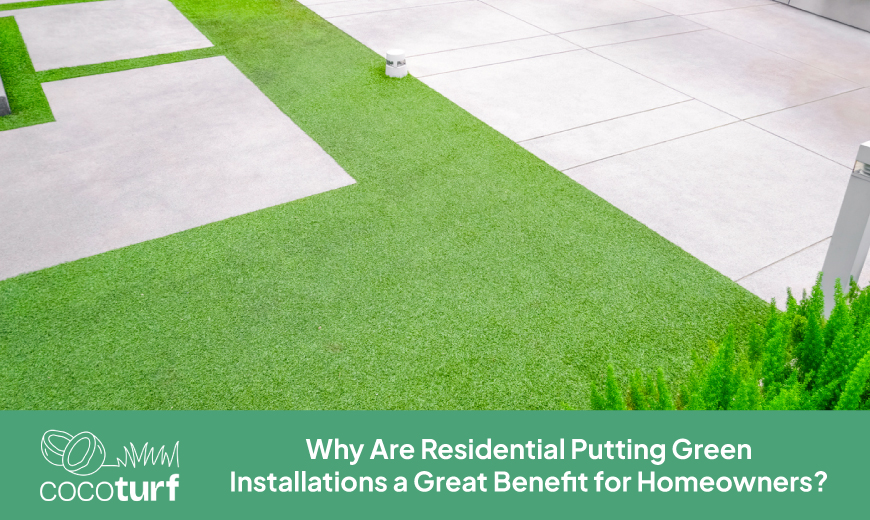
Why Are Residential Putting Green Installations a Great Benefit for Homeowners?

Outdoor living spaces have evolved into functional environments where homeowners relax, entertain guests, and pursue hobbies without leaving the property. Residential landscapes are no longer limited to patios and gardens. Many homeowners are now incorporating recreational features that provide both enjoyment and practical use for their outdoor spaces. One example gaining attention among homeowners is the addition of personal golf practice areas. In many communities, putting green installation in Los Angeles has become a practical landscaping upgrade for homeowners who want convenient access to golf practice without leaving home. With the help of professional putting green installation services, residential landscapes can include custom-designed greens that replicate the experience of practicing on a real course. Why Residential Putting Greens Are Growing in Popularity Backyard putting greens provide homeowners with a recreational feature that can be used regularly without requiring a trip to the golf course. Many homeowners are choosing practice greens as part of broader outdoor living upgrades that emphasize leisure, activity, and landscape design. Several factors contribute to the growing demand for residential putting greens: Convenience of practicing golf without leaving home A recreational feature that encourages outdoor activity A visually appealing landscaping element Custom design possibilities that fit different yard sizes These advantages allow homeowners to transform unused lawn areas into spaces designed for relaxation and skill development. A thoughtfully designed green can also complement patios, seating areas, and other outdoor living features. How Artificial Golf Putting Greens Create Realistic Play Modern artificial golf putting green systems are designed to replicate the speed and feel of traditional golf greens. Advances in turf technology have made it possible to create surfaces that support consistent ball roll while remaining durable enough for regular residential use. Professional installation methods help achieve realistic performance through: Precision grading that supports consistent ball movement Specialized turf fibers designed for putting performance Subsurface drainage systems that prevent water buildup Infill materials that stabilize the turf surface These installation techniques allow artificial golf putting greens to maintain reliable playing conditions. Homeowners can practice putting or chipping throughout the year without dealing with mowing, watering, or lawn damage. Types of Residential Putting Greens Homeowners Install Residential golf practice areas can be customized to fit a wide range of yard sizes and landscape layouts. Many homeowners choose designs that combine both putting and short-game practice areas to create a versatile backyard golf feature. Popular residential putting green options include: Artificial golf putting green surfaces designed for putting practice Artificial golf chipping green areas for short approach shots At home outdoor putting green layouts integrated into landscaping At home indoor putting green areas for year-round practice Custom putting green installation tailored to property layout These options allow homeowners to design greens that reflect their personal preferences and available space. Custom designs can incorporate contours, fringe areas, and multiple cup placements to create more realistic practice environments. Putting Green Installation Los Angeles Properties across Southern California are well suited for residential golf features due to year-round outdoor weather conditions. As a result, putting green installation in Los Angeles has become increasingly common among homeowners looking to upgrade their outdoor living areas. Professional installers focus on several key elements during installation: Preparing a stable foundation for the turf system Designing proper drainage to prevent water accumulation Shaping the putting surface to create natural contours Selecting realistic turf materials for consistent ball roll These installation steps help ensure the finished surface remains durable and visually appealing. Working with a Los Angeles professional putting greens installer helps homeowners achieve a practice surface that closely resembles real golf course greens. Do Putting Greens Add Value to a Home? Many homeowners consider whether recreational landscaping features can increase property value. While resale value depends on market conditions and property location, outdoor features that enhance usability and visual appeal can make a home more attractive to buyers. A residential putting green can offer several advantages: Unique outdoor recreation space that distinguishes the property Improved landscape aesthetics and yard functionality A feature that appeals to golf enthusiasts and active buyers Reduced lawn maintenance compared to traditional grass areas In addition to potential resale appeal, many homeowners find that the daily enjoyment and convenience of having an at home putting green provide long-term value beyond financial considerations. Choosing Professional Putting Green Installation Services Putting green installation in Los Angeles requires more than simply placing synthetic turf over soil. Proper grading, base construction, and turf installation are necessary to ensure the surface performs consistently. Professional putting green installation services typically include: Site evaluation and landscape planning Base preparation and compaction Custom shaping of the putting surface Installation of realistic turf materials Final finishing and cup placement Experienced installers understand how to create surfaces that balance playability with durability. Their expertise helps ensure the finished green remains stable and visually appealing over time. Frequently Asked Questions What is an artificial golf putting green made of? Artificial golf putting greens are typically constructed using specialized turf fibers attached to a durable backing system. The turf is installed over a compacted base layer that supports stability, drainage, and consistent ball movement. Can homeowners install an at home putting green indoors? Yes, smaller indoor practice greens can be installed in garages, basements, or dedicated recreation rooms. Indoor installations allow homeowners to practice putting regardless of weather conditions. How long does a residential putting green installation take? Most residential installations take several days depending on the size of the project and the amount of site preparation required. Larger custom putting greens may take longer due to contour shaping and drainage preparation. Does artificial turf require maintenance? Artificial turf requires minimal maintenance compared to natural grass. Occasional brushing, debris removal, and light cleaning help maintain the appearance and performance of the putting surface. Does a putting green add value to a home? A residential putting green can enhance outdoor living areas and appeal to buyers who enjoy golf or unique landscape features. While resale value varies by property and market conditions, well-designed outdoor amenities can

Scroll to Top