CocoTurf

If your artificial grass has been affected by debris, ashes, or fire retardant, our specialized cleanup service is here to help - take advantage of 20% off and reclaim your outdoor space today - contact us now!

CocoTurf Supports LA Fire Recovery Efforts Through Community Outreach & Rebuilding Initiatives If your artificial grass has been affected by debris, ashes, or fire retardant, our specialized cleanup service is here to help – take advantage of 20% off and reclaim your outdoor space today – contact us now!

Artificial Turf

Custom Artificial Turf Installation
Artificial Turf, Blog

What to Expect During a Custom Artificial Turf Installation from Start to Finish

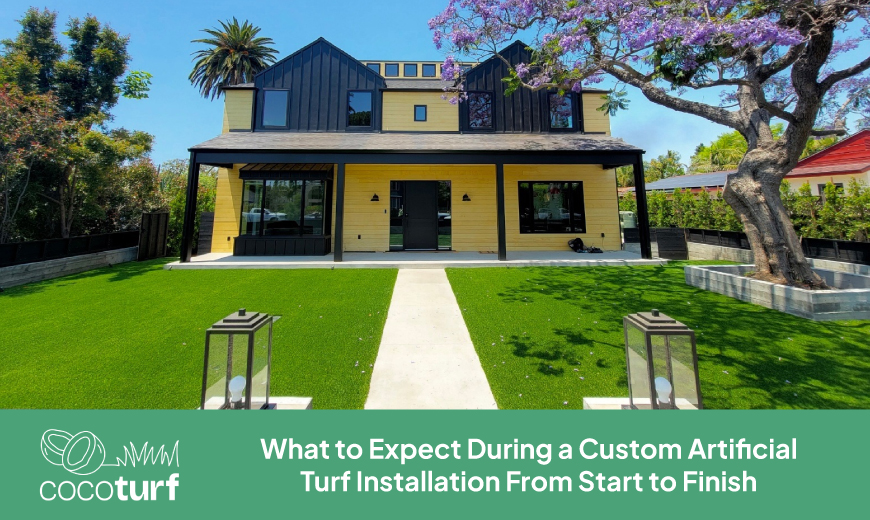
A successful artificial turf installation in Los Angeles begins well before the first roll of turf is placed. Professional installers evaluate the property, recommend materials for its intended use, prepare the ground, establish drainage, and complete each seam and edge carefully. Understanding these stages helps property owners know what to expect and why proper preparation has such a major effect on appearance and longevity. Every custom artificial turf installation should reflect the property rather than follow a standard template. A shaded side yard, sunny backyard, pet area, rooftop, indoor training space, and decorative front lawn can require different fibers, backing, infill, drainage, and construction methods. The right design balances appearance, comfort, durability, maintenance, and expected foot traffic. Artificial Turf Installation in Los Angeles From Planning to Completion The artificial grass installation process typically includes site evaluation, product selection, excavation, base preparation, drainage planning, turf placement, seaming, edge securing, infill application, brushing, and a final inspection. Project timing depends on the area’s size, access, existing landscaping, grading, and design complexity. An experienced professional turf installer in Los Angeles should explain the proposed system before work begins. The owner should understand which turf and infill will be used, how drainage will be handled, and what preparation is included. Why Every Artificial Turf Installation Starts With a Site Evaluation The first step is measuring the property and understanding how the space will be used. Installers examine drainage, grading, sun exposure, soil conditions, walkways, trees, irrigation, existing landscaping, and access for equipment. They also discuss the owner’s goals. A residential turf installation in Los Angeles intended for pets requires different planning than a formal front lawn or heavily used recreation space. Accurate evaluation allows the installer to recommend an appropriate system and prepare a realistic project plan. Preparing the Ground for a Long-Lasting Installation Preparation usually begins by removing existing grass, roots, soil, and unwanted material. The area is excavated to the required depth, graded, and cleared of debris. Irrigation components may be removed, capped, or adjusted as appropriate. A weed barrier may be installed when suitable for the application. The crew then places and compacts the selected base material in layers, creating a smooth and stable foundation. Weak preparation can contribute to uneven areas, movement, poor drainage, and premature wear. Choosing the Right Artificial Turf for Your Property Turf products differ in fiber shape, blade density, pile height, softness, color blend, backing, and durability. Shorter, resilient turf may suit pet areas or active spaces, while a softer and more varied blade structure may create the appearance desired for a landscaped lawn. Product selection should reflect how the space will function. Backyard turf installation may prioritize comfort and frequent use, while front yard turf installation may focus more heavily on appearance. Indoor turf can require different cushioning and anchoring than outdoor turf exposed to sun and rain. CocoTurf offers premium, high-end turf systems made in the USA. Its outdoor systems are designed to remain cooler under direct sun than conventional turf products and can incorporate natural coconut husk and cork materials within the infill system. Why Proper Drainage Is Critical for Turf Performance Drainage planning helps prevent standing water, odors, unstable areas, and damage to surrounding surfaces. Installers evaluate the direction water should travel and select permeable backing, base materials, and drainage components for the property. A properly graded and compacted base allows water to move away efficiently. In pet areas, drainage is especially important because it supports easier cleaning and helps reduce odor concerns. Installing the Turf With Precision and Attention to Detail After the base is completed, turf rolls are positioned so the fibers face a consistent direction. Installers cut the material around walls, planters, trees, steps, and other obstacles. Sections are aligned and joined carefully so seams remain secure and less noticeable. The perimeter is trimmed and anchored before infill is distributed. A coconut husk turf system may use coconut husk infill blended with other natural materials to support the fibers, add cushioning, and assist with moisture-based cooling. The surface is then brushed to distribute the material and lift the blades upright. Final Inspection and Finishing Touches Before completion, the crew inspects seams, edges, transitions, drainage areas, and the consistency of the infill. The turf should lie smoothly without visible gaps, loose sections, raised edges, or uneven areas. Installers brush the finished surface, remove installation debris, and clean the surrounding work area. The owner should have an opportunity to review the result and receive instructions for routine care. Maintaining Your Artificial Turf After Installation Artificial turf is low-maintenance, but it is not maintenance-free. Routine debris removal keeps leaves and dirt from collecting. Occasional rinsing helps remove dust, while brushing high-traffic areas can restore fibers that have begun to flatten. Pet areas may require more frequent rinsing and appropriate sanitation. Periodic inspections can identify separated seams, displaced infill, drainage concerns, or damaged edges before they become larger problems. Why Professional Installation Delivers Better Long-Term Results Experienced installers understand excavation depth, compaction, grading, drainage, seam placement, edge security, and infill distribution. These details influence how the turf looks immediately and how it performs after years of use. Professional work can also help protect applicable manufacturer warranty coverage by ensuring the materials are installed according to system requirements. A carefully planned installation provides greater durability, a more natural finished appearance, and stronger long-term value. Frequently Asked Questions About Artificial Turf Installation How long does a typical installation take? Timing depends on the project’s size, access, excavation requirements, grading, drainage, and design details. A professional installer can provide a more accurate schedule after completing the site evaluation. Can artificial turf be installed around trees and existing landscaping? Yes. Turf can be measured and cut around trees, planters, walkways, and other features. The design should allow appropriate space for tree growth, drainage, and landscape maintenance. Is coconut husk infill suitable for sunny spaces? Coconut-based infill is valued for its ability to retain and gradually release moisture. That process can support evaporative cooling and create a
Artificial Grass Installation Cost Breakdown for Homeowners
Artificial Turf, Blog

Artificial Grass Installation Cost Breakdown for Homeowners

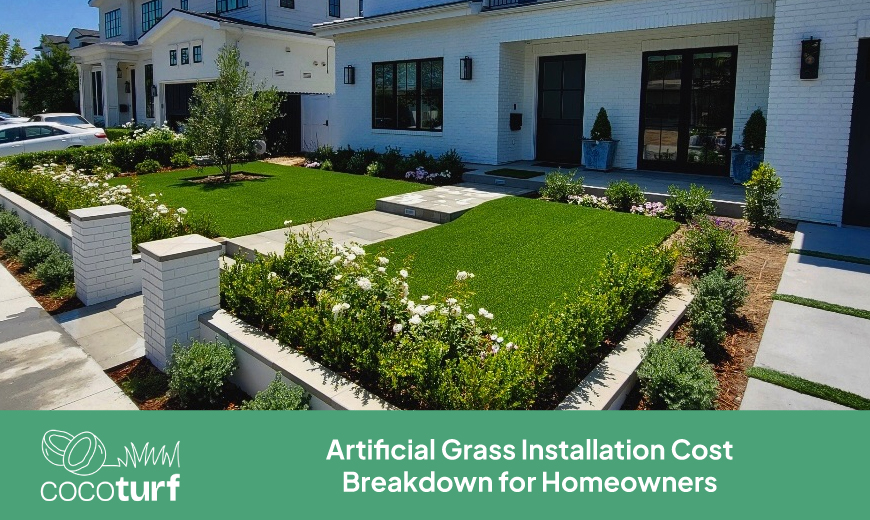
Many homeowners researching artificial turf installation in Los Angeles want to understand what actually drives the cost of a project. While artificial grass can reduce water usage, minimize maintenance requirements, and provide a consistent appearance year-round, installation pricing can vary significantly depending on materials, labor, site conditions, and project complexity. Understanding these factors can help homeowners make informed decisions when comparing options and evaluating proposals. In addition to selecting the right turf product, homeowners should carefully review artificial turf installation services included in each proposal. Two projects with similar square footage may have very different costs depending on grading requirements, drainage needs, base preparation, access limitations, and material quality. Looking beyond the advertised price per square foot often provides a more accurate understanding of the total investment. Why More Homeowners Are Making the Switch to Artificial Grass Artificial grass continues to gain popularity because it offers a low-maintenance alternative to natural lawns. Many homeowners are looking for landscaping solutions that reduce water consumption while maintaining an attractive appearance throughout the year. Common reasons homeowners choose artificial grass include: Reduced Water Usage Lower Maintenance Requirements Consistent Appearance Improved Durability Fewer Landscaping Expenses Artificial grass can be used for backyard turf installation, front yard turf installation, pet areas, play spaces, pool surrounds, and other residential applications. The True Cost of Artificial Grass: What the Price Tag Really Includes When reviewing estimates, homeowners often focus on the turf itself. However, the final cost of a project typically includes much more than the grass product. A complete installation may include: Turf Materials Site Preparation Base Construction Drainage Components Infill Materials Labor Equipment Usage Cleanup and Disposal Understanding these components can help homeowners compare proposals more effectively and avoid surprises during the installation process. Breaking Down Material Costs: Grades, Pile Heights, and Quality Differences Artificial grass products vary widely in quality and pricing. Material selection is one of the largest factors affecting overall project costs. Differences may include: Fiber Quality Turf Density Pile Height Color Blending Backing Construction Warranty Coverage Premium products are often designed to provide a more realistic turf appearance while offering enhanced durability and performance. Some high-end systems also incorporate innovative materials such as a coconut husk turf system and coconut husk infill designed to help improve comfort and support cooling performance. Labor and Installation Fees: What You Can Expect to Pay Per Square Foot Labor costs vary depending on project complexity, accessibility, and site conditions. An expert artificial grass installer typically performs several tasks before the turf is ever rolled out. These may include excavation, grading, base preparation, compaction, drainage improvements, seam work, and final finishing. Labor expenses are often influenced by: Site Accessibility Excavation Requirements Drainage Needs Property Layout Project Size More complex installations generally require additional labor and equipment. Site Preparation Costs That Are Often Overlooked in Initial Quotes Site preparation is one of the most important aspects of a successful installation. In many cases, this phase represents a significant portion of the overall project budget. Preparation work may include: Removal of Existing Grass Weed Mitigation Soil Excavation Grading Adjustments Debris Removal Compaction Projects requiring extensive site correction may cost more than installations performed on relatively flat and stable surfaces. Infill, Drainage, and Base Layer Expenses That Add Up Quickly The base system underneath the turf plays a major role in long-term performance. Common components include: Crushed Aggregate Base Compaction Layers Drainage Materials Infill Products Edging Systems Proper drainage is especially important for outdoor turf applications where water management affects performance and longevity. These foundational elements may not be immediately visible after installation, but they contribute significantly to overall quality. How Yard Size, Shape, and Terrain Impact Your Total Installation Cost No two properties are exactly alike. Project costs often vary based on the characteristics of the installation area. Factors that may affect pricing include: Total Square Footage Sloped Areas Irregular Shapes Obstacles and Landscaping Features Accessibility Constraints Larger projects may benefit from economies of scale, while highly customized layouts may require additional labor and material usage. Comparing DIY Installation vs. Hiring a Professional: Savings vs. Risk Some homeowners consider installing artificial grass themselves to reduce upfront costs. While DIY projects may appear less expensive initially, mistakes during preparation or installation can create long-term problems. Common DIY challenges include: Improper Grading Drainage Issues Visible Seams Uneven Surfaces Premature Wear Professional custom artificial turf installation typically includes specialized equipment, installation expertise, and quality control measures that help ensure consistent results. Homeowners searching for an Artificial grass installer near me often discover that professional installation provides added confidence and accountability compared to self-installation. Long-Term Savings: How Artificial Grass Pays for Itself Over Time Although installation costs may seem substantial, many homeowners evaluate artificial grass based on long-term savings rather than upfront expenses alone. Potential savings may include: Reduced Water Bills Lower Landscaping Costs Elimination of Fertilizers Reduced Equipment Maintenance Fewer Lawn Replacement Expenses Over time, these savings can offset a portion of the original installation investment. How to Get an Accurate Quote and Avoid Hidden Fees from Installers Obtaining multiple estimates is often one of the best ways to understand project costs. When comparing proposals, homeowners should verify whether pricing includes: Site Preparation Base Materials Drainage Improvements Infill Products Disposal Costs Warranty Information Some fake lawn installers may advertise low pricing while excluding important project components from their estimates. When evaluating a turf grass installation company in Los Angeles, homeowners should review experience, product quality, installation methods, and the specific services included within the proposal. Artificial grass can also be used in specialized applications such as indoor turf areas, athletic spaces, entertainment zones, and outdoor turf environments, making it important to select products that match the intended use. FAQs What is the average cost of artificial grass installation? The cost of artificial grass installation varies depending on material selection, labor requirements, site preparation needs, drainage improvements, and project size. Premium turf systems generally cost more than entry-level products because they often offer greater durability, improved appearance, and enhanced performance. The

How Coconut Husk Infill Helps Create a Cooler Artificial Turf Surface
Artificial Turf, Blog

How Coconut Husk Infill Helps Create a Cooler Artificial Turf Surface

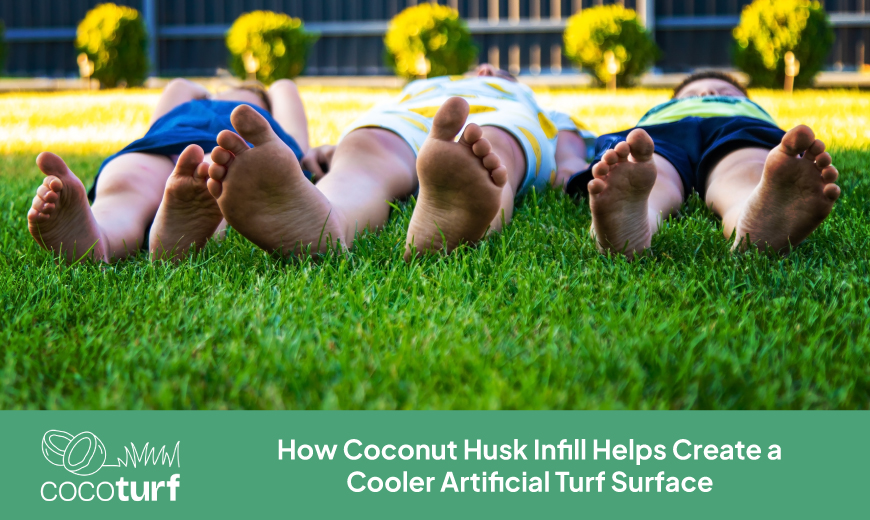
Many homeowners choose synthetic grass because it offers a beautiful, low-maintenance landscape that stays green throughout the year. However, one common concern involves surface temperatures during warm weather. Advances in modern turf technology have introduced innovative solutions designed to address this issue. Today, premium systems used for artificial turf installation in Los Angeles often incorporate natural cooling components that help create a more comfortable outdoor environment while maintaining the appearance of healthy natural grass. One of the most effective innovations is the use of coconut husk-based infill materials. Unlike some traditional infill products, coconut-based systems provide natural moisture retention and temperature regulation benefits. As more homeowners seek environmentally conscious landscaping solutions, artificial turf installation services increasingly incorporate coconut-derived materials into high-end turf systems designed for comfort, durability, and long-term performance. What Coconut Husk Infill Is and How It Works Coconut husk infill is made from natural fibers derived from coconut shells and husks. These materials are processed and incorporated into turf systems to help support grass fibers while contributing to cooling performance. A coconut husk turf system uses organic materials that naturally retain moisture. When moisture is present within the infill, evaporation can help reduce surface temperatures and create a more comfortable environment compared to some conventional infill products. The result is a landscaping system that combines aesthetics, functionality, and natural cooling properties. Why Artificial Turf Surfaces Can Get Hot Artificial grass receives direct sunlight throughout the day. Like many outdoor surfaces, synthetic materials absorb heat from solar radiation. Factors that influence turf temperatures include: Sun exposure Turf color Fiber composition Infill selection Air circulation Surrounding landscape features An expert artificial grass installer understands that selecting the proper infill can significantly influence overall comfort and performance. How Coconut Husk Infill Helps Reduce Surface Heat One of the primary benefits of coconut husk infill involves its ability to hold moisture longer than many traditional alternatives. As moisture gradually evaporates from the infill, the process helps reduce heat buildup on the turf surface. This natural cooling effect may contribute to lower surface temperatures during periods of intense sunlight. A custom artificial turf installation designed with cooling technology often utilizes coconut-based components to help improve user comfort while maintaining a natural appearance. Natural Cooling Benefits Compared to Traditional Infill Options Traditional infill products often focus primarily on stability and drainage. Coconut husk infill provides those benefits while also contributing to temperature management. Advantages may include: Increased moisture retention Natural cooling support Organic composition Reduced surface heat buildup Improved comfort during warm weather Many homeowners seeking realistic turf appreciate the ability to combine visual appeal with practical cooling performance. Comfort Advantages for Pets, Kids, and Barefoot Use Comfort is one of the most important considerations when selecting a synthetic lawn system. Families often use outdoor spaces for: Children’s play areas Pet activity zones Pool surroundings Backyard entertainment spaces Relaxation areas Artificial grass installer near me searches frequently come from homeowners seeking solutions that remain more comfortable for daily use. Cooler surfaces can make a noticeable difference when children and pets spend time outdoors. Improved Moisture Retention and Temperature Control Moisture retention plays a key role in the performance of coconut-based systems. Coconut fibers naturally absorb and hold water. This retained moisture contributes to ongoing temperature regulation as evaporation occurs over time. Many fake lawn installers now recognize the benefits of combining advanced turf fibers with organic cooling materials to create more comfortable outdoor environments. Eco-Friendly Benefits of Coconut Husk Infill Environmental considerations continue to influence landscaping decisions. Coconut husk infill offers several eco-friendly advantages: Derived from renewable materials Utilizes natural coconut byproducts Reduces dependence on certain synthetic materials Supports sustainable landscaping goals A turf grass installation company in Los Angeles may recommend coconut-based systems to homeowners seeking environmentally conscious alternatives without sacrificing performance. Durability and Performance in Different Weather Conditions Premium turf systems must perform well throughout changing weather conditions. Coconut husk infill contributes to: Fiber stability Consistent support Drainage performance Surface resilience Whether used in a backyard turf installation or a front yard turf installation, properly designed systems maintain their appearance and functionality throughout the year. How Coconut Husk Infill Enhances Artificial Turf Longevity Infill serves an important role beyond cooling performance. Properly distributed coconut husk infill helps: Support turf blades Reduce matting Improve fiber recovery Promote consistent appearance Enhance overall durability These benefits help preserve the long-term visual appeal of both indoor turf and outdoor turf applications. Why Homeowners Choose Coconut Husk Infill for Premium Turf Installations Homeowners increasingly seek landscaping solutions that combine appearance, comfort, sustainability, and performance. A coconut husk turf system offers a unique combination of benefits that appeal to those investing in premium synthetic grass products. The natural cooling properties associated with coconut husk infill help create more comfortable outdoor environments while supporting durability and environmental responsibility. As interest in advanced turf technology continues to grow, many homeowners view coconut-based infill as a valuable enhancement for high-end synthetic grass installations. Combined with professional artificial turf installation in Los Angeles and quality artificial turf installation services, coconut-infused systems provide a sophisticated solution for creating attractive, comfortable landscapes that remain enjoyable throughout the year. FAQs What is coconut husk infill made from? Coconut husk infill is made from processed coconut fibers and husks that are incorporated into artificial turf systems to provide support, moisture retention, and cooling benefits. Does coconut husk infill help keep turf cooler? Yes. Coconut fibers naturally retain moisture, and the evaporation process can help reduce surface temperatures compared to some traditional infill materials. Is coconut husk infill safe for pets and children? Many homeowners choose coconut-based systems because they are made from natural materials and help create a more comfortable surface for everyday use. Can coconut husk infill be used in residential landscaping? Yes. It is commonly used in residential applications including lawns, play areas, pet spaces, pool surrounds, and entertainment areas. Does coconut husk infill improve turf lifespan? Proper infill helps support turf fibers, reduce matting, improve recovery, and contribute to the long-term appearance

What Is Artificial Turf Installation and How Does It Work
Artificial Turf, Blog

What Is Artificial Turf Installation and How Does It Work?

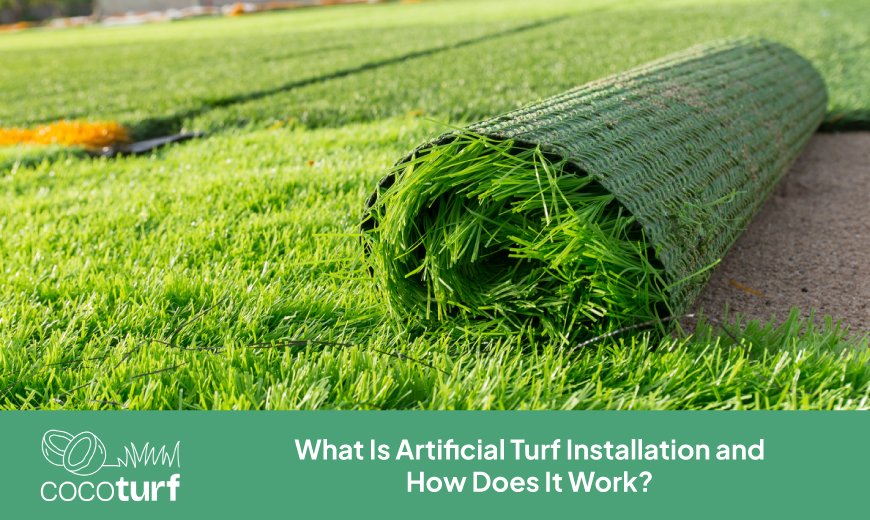
Replacing natural grass with a synthetic landscape surface has become a practical option for many property owners seeking a consistent appearance and reduced lawn maintenance. Artificial turf installation is the process of replacing natural grass with a synthetic surface designed to mimic the appearance and function of a real lawn while reducing water consumption and long-term maintenance. The system is constructed using several structural layers that support drainage, durability, and surface stability. Modern turf products are engineered to perform well in high-sun environments while maintaining a consistent appearance throughout the year. The installation process involves preparing the ground, constructing a stable base, placing the turf material, and applying infill that supports the turf fibers. Each stage of installation plays a role in how the finished surface performs over time. Understanding the process helps property owners evaluate how artificial turf systems work and what contributes to long-term durability. Understanding Artificial Turf Systems Artificial turf systems are made up of multiple layers designed to create a stable surface that resembles natural grass. While the visible turf fibers give the appearance of a lawn, the system’s performance depends largely on the materials installed beneath the surface. Key components of artificial turf systems include: Synthetic turf fibers designed to replicate natural grass blades A durable backing layer that secures the fibers in place A compacted aggregate base that stabilizes the surface Drainage pathways that allow water to move through the turf Infill materials that support blade structure and surface performance These components work together to create a surface capable of handling weather exposure and regular use. Each layer contributes to drainage, durability, and the installation’s overall lifespan. How Artificial Turf Installation Works Artificial turf installation involves a series of structured steps to create a stable, long-lasting surface. Each stage of the process helps ensure the turf performs properly under changing weather conditions and regular foot traffic. The installation process typically includes: Removal of existing grass, soil, and debris Ground leveling and grading for proper drainage Construction of a compacted base layer Installation of a weed barrier Placement and trimming of the turf rolls Seaming and securing the turf sections Application and distribution of infill materials Following these steps ensures the turf remains stable and visually consistent across the installation area. Proper installation also helps prevent uneven surfaces, drainage issues, or premature wear. Why Ground Preparation Is Critical Ground preparation is one of the most important steps in artificial turf installation. The stability and drainage performance of the finished surface depend heavily on the base layer constructed during installation. A properly prepared base helps achieve several important outcomes: Maintains a level and stable surface Allows water to drain through the turf system Prevents shifting or settling over time Supports the structure of the turf backing Without proper base preparation, even high-quality turf materials may not perform as intended. This is why experienced installers place a heavy emphasis on soil grading and base compaction before placing the turf. Modern Turf Materials and Performance Artificial turf technology has evolved significantly over the past decade. Newer systems are designed to improve durability, surface comfort, and overall performance in outdoor environments. Modern turf products may incorporate: Advanced fiber designs that maintain blade shape Materials engineered to withstand heavy use Improved backing systems that enhance durability Natural elements incorporated into the turf composition These innovations help artificial turf perform more effectively in warm climates where sun exposure and heat can affect surface conditions. Material selection plays an important role in how turf performs over the long term. Choosing Artificial Turf Installation Services Installing artificial turf requires careful planning and technical expertise. A professional artificial turf installation company evaluates the property layout, soil conditions, and drainage patterns before beginning the project. Professional artificial turf installers typically focus on: Preparing the installation site for long-term stability Ensuring proper drainage throughout the landscape area Aligning seams and edges for a natural appearance Selecting turf materials suited to the environment In regions where artificial turf installation in Los Angeles is common due to water-conservation needs, careful planning helps ensure reliable, long-term performance. Frequently Asked Questions How long does artificial turf installation take? Most residential installations can be completed within 1 to 3 days, depending on the area size and the amount of ground preparation required. Larger landscapes or properties requiring additional grading may take longer to complete. Does artificial turf require maintenance? Artificial turf requires far less maintenance than natural grass. Occasional brushing, debris removal, and rinsing help maintain the surface appearance while keeping the turf fibers upright and clean. Does artificial turf get hot in the sun? Traditional synthetic turf surfaces can retain heat under direct sunlight. Premium turf systems like Cocoturf are designed with improved materials and natural components, such as coco coir, that help the surface stay cooler compared to many standard plastic turf products. How long does artificial turf typically last? High-quality artificial turf systems can last 15 to 20 years, depending on installation quality, material construction, and the amount of use the surface receives. Premium turf products are engineered with durable backing and fiber technology designed for long-term performance. Is artificial turf environmentally responsible? Artificial turf helps reduce water consumption by eliminating the need for irrigation while also reducing the need for fertilizers and pesticides used to maintain natural grass. Many modern systems are designed to support sustainable landscaping practices while maintaining a consistent lawn appearance. Summary Artificial turf installation involves a series of steps that create a stable and durable landscape surface. Ground preparation, base construction, turf placement, and infill application all contribute to the performance of the finished system. When installed properly, artificial turf provides a long-lasting landscaping solution that reduces water use and maintenance while maintaining a consistent appearance. Discover the Difference Premium Artificial Turf Can Make Transform your outdoor space with a cleaner appearance, reduced maintenance, and long-term performance.  Cocoturf advanced turf systems offer a modern landscaping solution designed for durability, comfort, and lasting visual appeal. Contact us at (310) 957-1900.

Scroll to Top